Skip to content
Raide-Jokeri tram construction site in Pohjois-Haaga, Helsinki, on a sunny spring day

Smoother work for construction and infrastructure

Nexpert vähentää turhaa hallinnollista työtä, parantaa tiedonkulkua ja vakiinnuttaa parempia toimintatapoja osaksi projektien arkea.

This leaves specialists, project managers, and site supervisors more time for planning, management, and execution.

Selected clients, partners and networks

Kehä I motorway tunnel construction site in Keilaniemi, Espoo, on a sunny day

Industries

When a project isn't going as it should

Nexpert helps develop processes, information flow, and adoption in the construction and infrastructure sector.

The starting point might be repetitive reporting, scattered information, inconsistent quality practices, unclear workflows, or a new system that old work habits have continued to run alongside.

Clients

We help unify design and construction quality practices across projects and service providers. This lets the client assess whether plans and execution meet the agreed requirements. Completed inspections, open deficiencies, and the basis for approvals remain traceable, and the information stays usable across project phases and as people change.

Concrete portal of the Patterimäki rail tunnel at the Raide-Jokeri construction site in Helsinki

Design and consulting firms

We help extend the project portals already in use with new features that automate quality assurance, inspections, and reporting. Solutions built on top of existing software reduce manual work and re-entering data. This keeps design review and handover running in a familiar work environment.

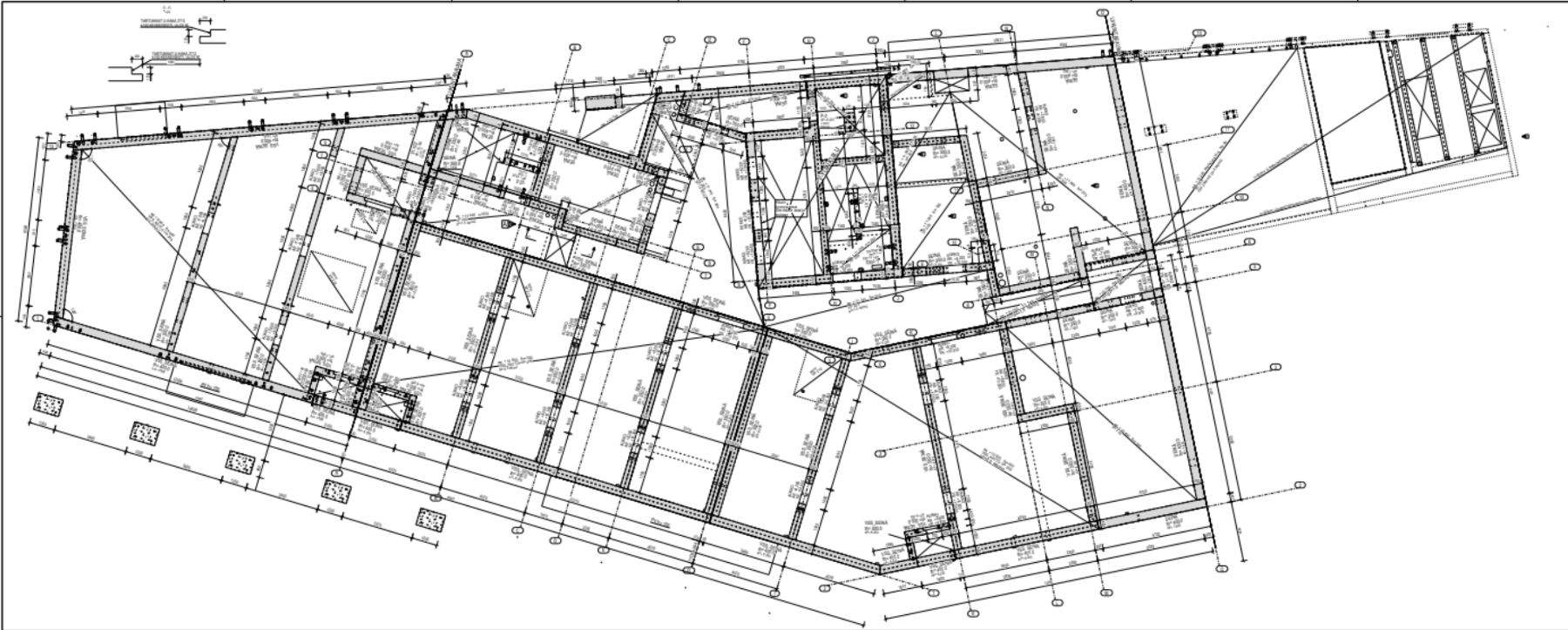
Detailed floor plan of steel frame structures

Construction and infrastructure contractors

We help automate site documentation in familiar tools, such as WhatsApp groups. Photos from site rounds end up in the right reports, and verbal add-on orders made in a hurry become written order confirmations.

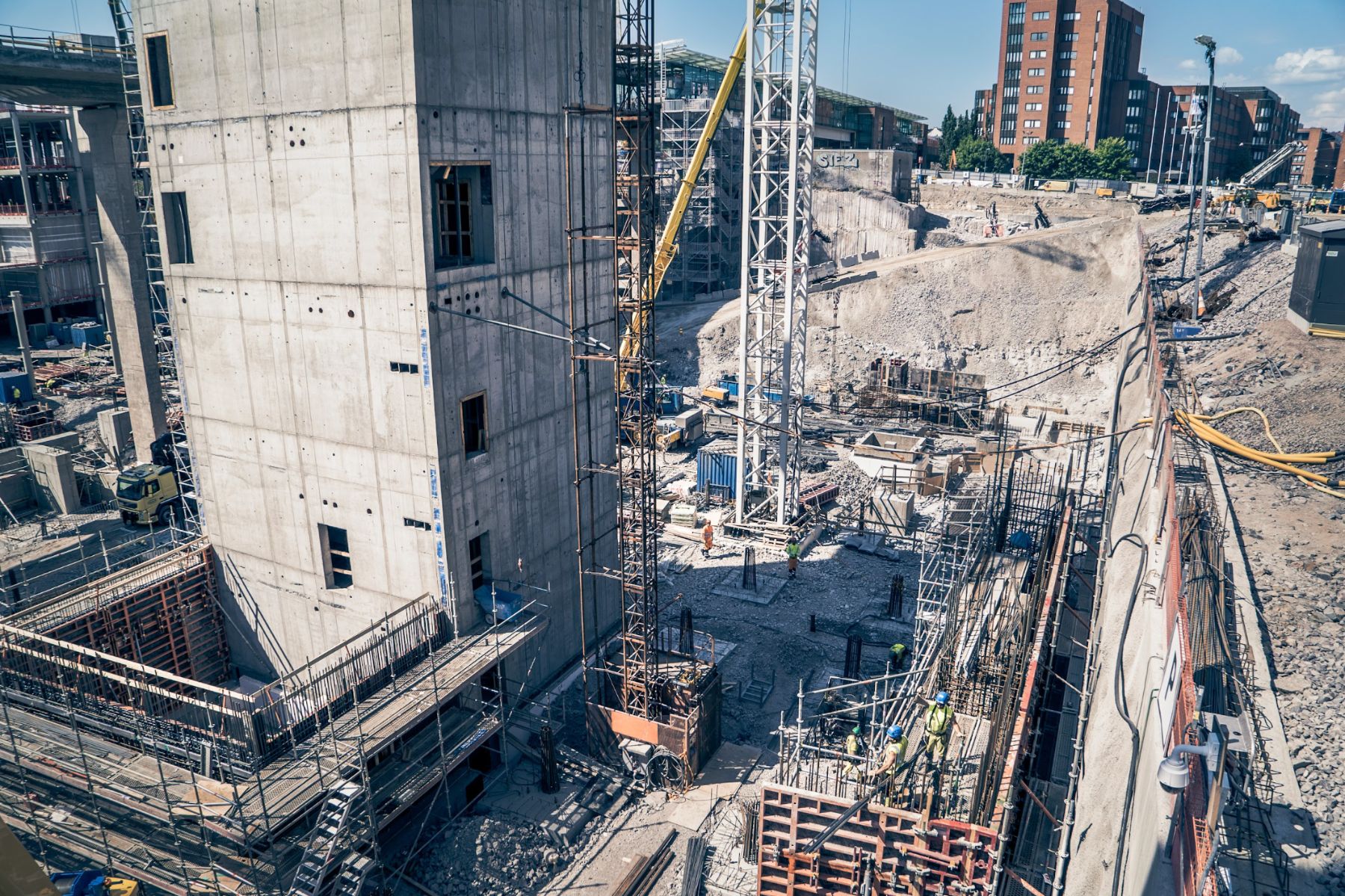
Aerial view of a concrete frame structure at a construction site, with a crane lowering material into an excavation

Approach

How Nexpert works

We start from everyday work, identify the smallest useful change, test it together with the people involved, and help make it stick.

  1. 01

    Understanding current work

    We start with how the work is actually done — not just how the documented process says it happens.

  2. 02

    Identifying the smallest useful improvement

    We locate duplicated work, breaks in information flow, unclear responsibilities, and unnecessary steps.

  3. 03

    Testing with users

    The new practice is tested with the people it affects, and refined based on their feedback.

  4. 04

    Establishing, measuring, and improving

    Clear ownership, practical guidance, and continuous learning help the change take root as part of everyday work.

People first. Technology second.

The answer isn't always a new system. Sometimes the work gets easier through clarification, shared practices, a better template or more consistent use of existing tools. When technology genuinely reduces the workload, the solution may be automation, AI, dashboards or better data transfer between systems. Nexpert helps identify the simplest suitable solution instead of rolling out a new program.

Past projects

All services

Väylävirasto · 2024–2026

A shared approach to design self-inspection and quality assurance

Nexpert has acted as the lead service provider in developing self-inspection and quality-assurance practices for the Finnish Transport Infrastructure Agency's (Väylävirasto) design projects. The work has been carried out together with the client's project managers, design procurement staff, and steering experts.

The work has included mapping the process, defining the client's quality-assurance points, and building an Excel-based self-inspection template. Nexpert has designed and facilitated expert workshops, coordinated comment rounds, and refined the template and approach based on feedback from piloting. The work has also included supporting adoption.

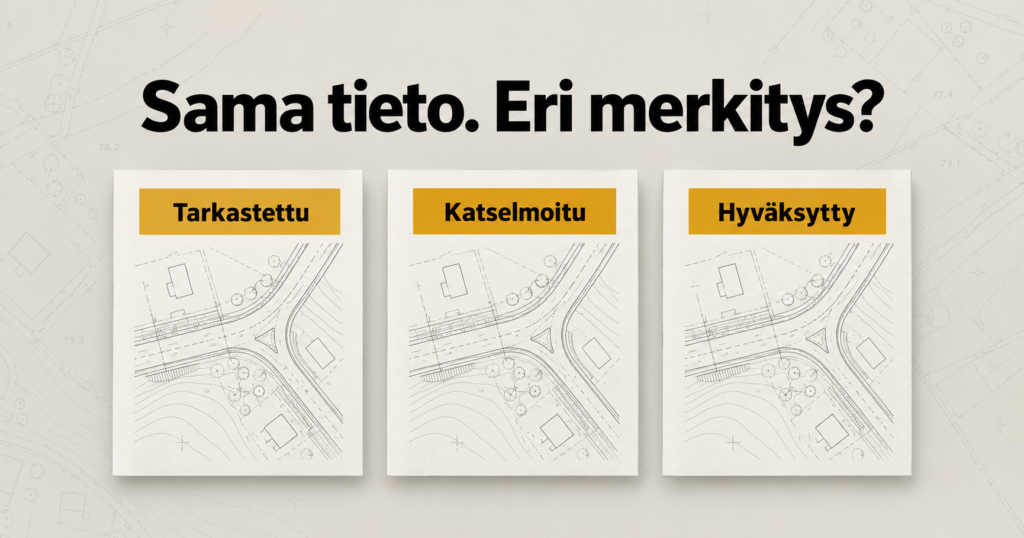
The aim is to clarify what gets checked in a project, at what stage, and whose responsibility it is. A shared approach reduces differences in interpretation between projects and service providers, and improves the traceability of inspections and decisions.

Go to the article →

R&D project · 2025

From scattered feedback to a learning-organisation model

Nexpert helped structure feedback and development ideas arriving through multiple channels. The work combined Lean thinking, facilitated expert participation, and practical experiments into a repeatable method that turns feedback into actions, decisions, and continuous learning.

Go to the article →

Construction industry · 2026

Recruiting an estimating engineer from India using automation

Nexpert built a recruitment process for an estimating engineer from India using AI-powered software. The process included an applicant campaign, a pre-screening questionnaire, technical skills tests, practical work tasks, and remote interviews.

A pool of around 500 applicants was narrowed down with automation to five interview candidates, three of whom advanced to the final stage of recruitment. Practical skills were assessed using real Finnish design materials together with the client's technical expert. Automation supported screening and comparing candidates and helped focus the experts' time on evaluating the best-fitting applicants.

Testimonials

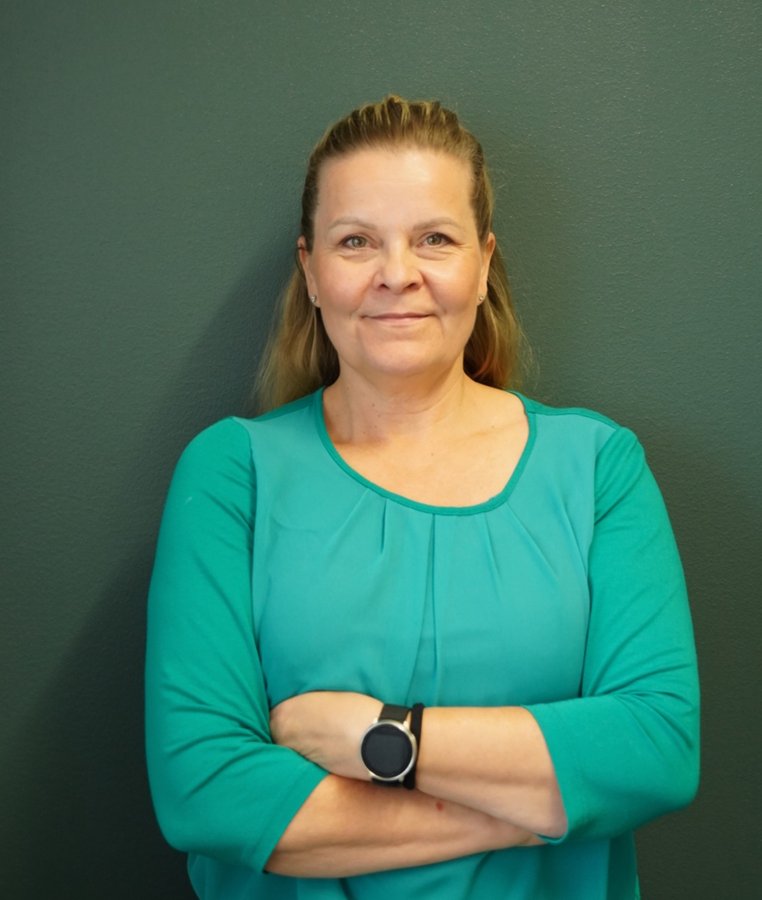
Tanja Karonen, founder of Nexpert, arms crossed, smiling at the camera

About Nexpert

Experience from everyday construction work and development

Construction and design, infrastructure and building construction

Tanja Karonen has led a construction company of around 150 people and developed processes, quality assurance, project management, and information flow in the construction and infrastructure sector. She also has experience with Lean, continuous improvement, and adopting new systems and ways of working.

Tanja's strength is understanding the bigger picture and how work actually gets done: where information breaks down, why practices vary, and what it takes to make a good solution part of everyday work. When an assignment needs specialised technical expertise, Nexpert brings in the right experts through its partner network.

Get to know Tanja and Nexpert

Ideas for smoother project work

See all articles →
Frequently asked questions

What does Nexpert actually do?

Nexpert identifies where administrative work causes unnecessary strain and helps develop a clearer way of working. The solution might relate to processes, responsibilities, information flow, reporting, quality assurance, adoption, or the considered use of technology.

Do we need to get a new system?

Not necessarily. It's worth evaluating current tools and practices before investing in new technology. A clearer process or making better use of your current system may be enough.

Can we start with one small problem?

Yes. Take something like organising site photos or recording additional orders. We try it first on one site and see whether everyday work gets easier.

Read more: Small improvements to everyday site work

Does Nexpert work only on infrastructure projects?

Nexpert focuses on the infrastructure and construction sector. The emphasis depends on the operating environment. Infrastructure work often emphasises standardisation, traceability, and the long lifecycle of information. Building construction places more weight on site supervisors' use of time, design coordination, reporting, and quality documentation.

Can Nexpert implement a technical solution?

Yes, it can. Nexpert can clarify the need, evaluate options, and support adoption. When specialised technical implementation is needed, the required partner team is brought together. Complex integrations, technical design, and software development require separately agreed experts and responsibilities.

Can AI help with reading a long report?

Yes. Give it the report and ask it to pick out, for example, the points that matter for your own contract. Choose a tool that shows where in the report the information comes from, and check the important points in the original report.

How can AI be used sensibly and responsibly?

AI uses electricity, so it is worth using for tasks where it genuinely helps. We choose a suitable tool and learn to use it, so the same work doesn't have to be done several times. Client data is kept safe and important results are checked.

What does using AI cost?

Some programs cost a fixed monthly amount; with others the bill grows with use. Tokenomics means looking at this use, its price and its benefit. What matters to you is how much the work costs and how much of your own time it saves.

Read more: The real price of AI

Can AI prepare the weekly report?

Yes, once it has agreed instructions and a place to fetch the information from. It can compile the week's site observations into a draft report without you giving the same instructions every time. Site management checks the report before it is sent.

Read more: Automating reporting

Why would you need more than one AI assistant?

If the work has many stages, the tasks can be split: one assistant collects the information, another looks for gaps and a third compiles the report. They get shared instructions and a division of work. One assistant may be enough for a small task. Examples include self-inspection before handover or taking over a work section.

Read more: How AI assistants can work together

How do I know whether this really saves time?

We look at how long the work takes now and how long it takes after the trial. The time spent on checking and fixing errors is counted too. The benefit has to show in everyday work: for example, the report is finished sooner, less time goes into searching for information, resource planning gets easier or scheduling becomes more accurate.

Read more: Does new technology make the work easier?

How much of my time will this take?

At first we need a moment with the person who does the work now. Show us, for example, how you put the report together and what takes the time. We agree in advance how much time the trial needs from you, the designer and/or site management.

Read more: From a trial to everyday use

May a client's drawings and requests for quotation be given to AI?

That has to be checked before use. Client data may only be processed with a tool approved for it and according to agreed instructions. To begin with, you can practise with sample data that contains no client information.

Who checks the work done by AI?

The person responsible for the work. AI can compile a report or turn a verbal additional order into a draft order confirmation. The agreed person checks the information before it is sent, and the check is recorded.

Read more: Checks and approvals as part of quality assurance

What if the software changes or an employee leaves?

We use machine-readable memory. AI stores the instructions and important information so the next person can carry on. We also agree who helps and makes the necessary fixes. When the software changes, we check that, for example, the information still goes into the right report.

Read more: When a service in use is replaced

Which administrative task takes up the most time in your organisation?

We pick one recurring workflow and look at:

  1. where the time goes
  2. where information breaks down
  3. what's done unnecessarily or repeatedly
  4. what can be simplified
  5. whether technology is really needed
  6. how the improvement can be established as part of everyday work